
Menu
Get A Quote
Renovating a property can be very exciting. New floorplans, updated finishes, increased value.
But before a wall is taken down or a ceiling is disturbed, there is a legal step that cannot be skipped: an asbestos inspection.
Having worked with licensed trades, property managers and compliance officers on residential and commercial projects, I’ve seen firsthand how ignoring this requirement can halt a renovation in its tracks – or worse, put occupants and workers at serious risk of health hazards. In Australia it is not optional advice. It's a requirement of the policy.
This article covers the legal obligation to inspect for asbestos, what the law says and how to carry out renovations without penalties, delays or exposure to hazardous materials.
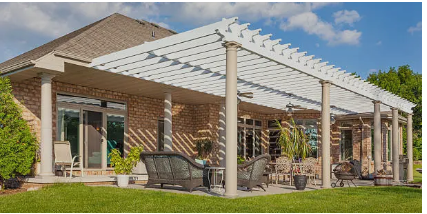
Australia’s work health and safety legislation sets out clear duties for property owners, employers and persons conducting a business or undertaking (PCBUs). If a building was built before 31 December 2003, then it is very likely that it contains asbestos.
The law requires asbestos to be identified before work begins on renovation or demolition work. That means a proper asbestos inspection – no visual guessing, and no assumptions based on age alone.
The reason is simple: disturbing asbestos containing materials can release airborne fibres. Once inhaled, the fibres can cause long-term illnesses such as mesothelioma, asbestosis and lung cancer. These are no small risks. They also change lives, and often kill.
An asbestos inspection that meets regulatory standards helps to protect workers, contractors, tenants and owners by locating hazardous materials before they are disturbed.
Many property owners believe that asbestos detection is simple – that you can “see it.” In fact, asbestos was used in hundreds of products – cement sheeting, insulation, vinyl tiles, textured coatings, roofing, fencing and more.
A licensed asbestos inspector will fully inspect any areas that could be disturbed during renovation. This generally includes:
An asbestos inspection is not just a regular building inspection. Building inspections are to check structure and defects whereas asbestos inspections are specifically for identifying risks of hazardous material being released during works.
I've found the most common compliance issue is starting a renovation on the basis of nothing more than a previous building inspection report that did not include asbestos detection. That gap can cause immediate site shutdowns.
Whether you’re planning a kitchen remodel at home, or a large-scale office refurbishment, the legal principles are the same.
A residential asbestos inspection is strongly recommended for homeowners and often a legal requirement if contractors are involved. Tradesmen need to know if asbestos is present before cutting, drilling or demolishing materials.
For businesses and landlords, the obligations are stricter. Workplace safety regulations usually require commercial asbestos inspection as well. The duty holders must:
Failure to comply can result in serious penalties.
Regulators take asbestos breaches very seriously. I have been on projects where inspectors shut down the project due to no documented asbestos inspection. Financial implications could include:
But the reputational damage goes beyond just fines. Builders and developers who don’t arrange for asbestos inspection services could find it hard to get insurance or future contracts.
From a compliance standpoint, the cost of setting up an asbestos inspection is much less than defending a legal claim or responding to an asbestos exposure incident in the workplace.
Not all asbestos materials carry the same risk.
Non-friable (bonded) asbestos occurs in solid materials such as cement sheeting. Less risk when intact and undisturbed. However, fibres can be released if they are cut or broken during renovation.
Friable asbestos is more hazardous. It crumbles under the hand and easily gives out fibres. Friable asbestos has to be removed by licensed professionals in a controlled setting.
This classification is done by a competent asbestos inspector during the asbestos survey. This assessment guides the removal strategy and compliance steps necessary before renovation can start.
In practice, professional asbestos inspection services will provide:
An expert asbestos inspection company can explain where the asbestos is located, and what action must be taken next as a matter of law. This could be removal, encapsulation or continuous monitoring.
Documentation is critical from a compliance standpoint. Should SafeWork authorities visit a site you must be able to demonstrate records of asbestos inspections and due diligence.
I have seen renovation projects in which demolition has commenced without asbestos detection. Debris was contaminated within hours, workers were evacuated and decontamination was expensive.
When asbestos is accidentally disturbed:
The cost of clean-up is often more than a pre-renovation asbestos inspection would have cost in the first place.
More important, health risks are irreversible. Symptoms of exposure to hazardous materials may take decades to appear.

A practical compliance approach would be:
This should be done in conjunction with other building inspections and planning approvals.
Asbestos inspections early in the planning process prevent reactive decisions under regulatory pressure.
Do you need an asbestos inspection for minor renovations?
Asbestos inspection is highly recommended and often required by law when contractors are involved, especially if materials will be disturbed and the building is older than 2004.
Can asbestos be detected by a general building inspection?
No, not reliably. Building inspections cannot take the place of specialised asbestos inspections.
Who can do asbestos inspections?
An asbestos inspector who is trained and competent, usually acquired from accredited asbestos inspection services.
Asbestos inspection is not red tape. It’s a legal protection based on public health and workplace safety.
Asbestos inspection is not negotiable when it comes to renovation, whether you are planning a commercial or residential renovation. The risk is too great and the penalties too severe to overlook hazardous materials that are disturbing.
Be clear about renovation:
The goal is not to make your project more complex. It is to ensure it happens safely, legally and with no unnecessary disruption.
Asbestos inspections provide certainty in proper management. Renovation work is what protects your investment, your reputation and most importantly the people on site.
Nibh adipiscing pellentesque morbi dolor nibh euismod ullamcorper. Dui sit diam elit in dictumst pellentesque. Faucibus faucibus nulla fermentum.